Gamifying Health Education
The Academy for Tobacco Prevention is an innovative, gamified learning resource that sets a new standard for youth health education.


The Academy for Tobacco Prevention is a comprehensive, multi-platform teaching resource created in partnership with Alberta Health Services and the University of Lethbridge. It was implemented to modernize the existing tobacco prevention curriculum for students in grades 4-6.
As an instructional designer on this project, I was responsible for the end-to-end design and development of the interactive curriculum. My work included translating educational goals into engaging lessons, designing all graphic assets and infographics, and building the final interactive experience using Articulate Storyline. I also created the games and interactive engagements, ensuring all content was optimized for multi-platform use.
As a key Instructional Designer for The Academy for Tobacco Prevention, I created gamified lessons using Articulate Storyline to modernize an outdated curriculum. My work not only led to high student engagement and a 93% average quiz score but also helped students develop a more empathetic and analytical perspective on tobacco use.
Dec 2015 - Mar 2022
4 People
AHS is Canada's largest province-wide healthcare system. This project was commissioned by Alberta Quits, the organization's dedicated program for tobacco and smoking cessation.
The University of Lethbridge's Faculty of Health Sciences was a key collaborator on the project. The Nursing Program, led by Professor Kathy Haight, was responsible for starting the program in junction with Alberta Quits, and for distributing it in classrooms as part of its commitment to evidence-informed community health education.
Graphic / Visual Designer
Learning Experience Design (LXD)
Lesson Coordinator
Gamification Strategy and Development
Instructional Design
Here are selected lessons and learner engagements I designed for The Academy. Classroom-ready e‑learning modules, interactive games, and supporting resources crafted to engage students and reinforce key health concepts.
Full lesson from Grade 6 Lesson 4
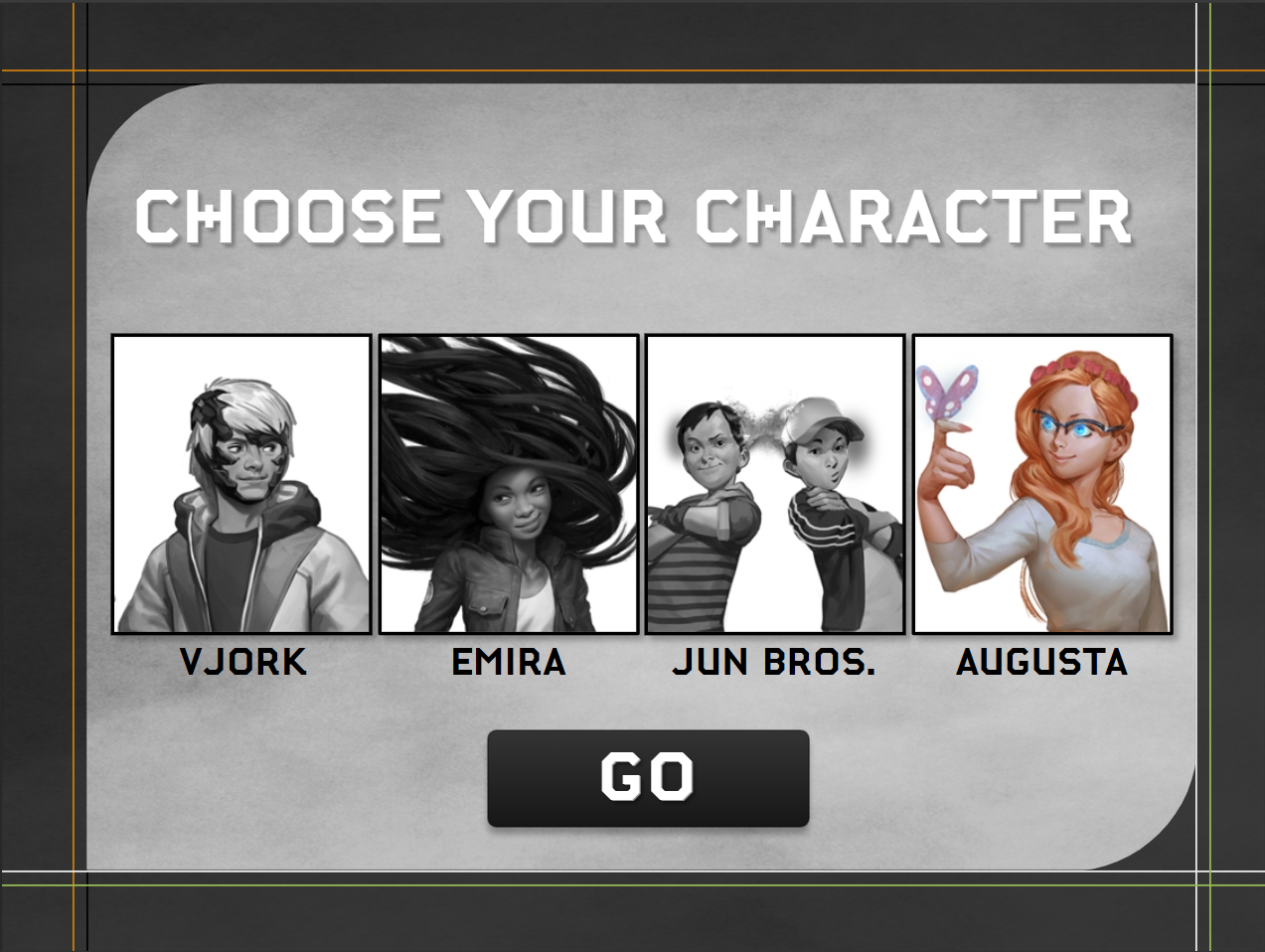
A game for the module on refusal skills and self esteem
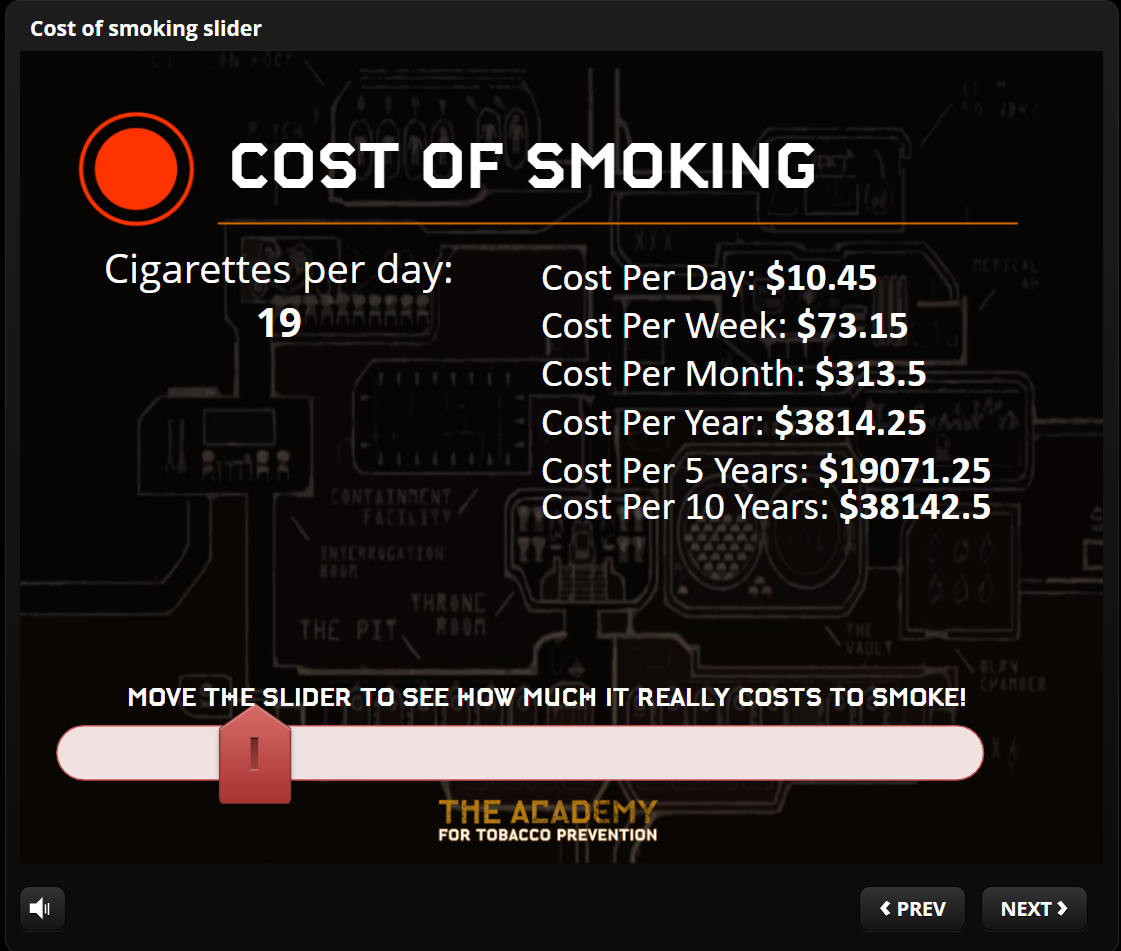
An activity made for the kids to see a visual of the monetary cost of smoking.
The gamified tobacco education program transformed health education delivery, achieving exceptional engagement rates and demonstrating the power of interactive learning to change student perspectives and behaviors.
Average Quiz Score
Achieved by over 200 students across all participating classes
Total Playthroughs
Interactive games drove high engagement
Students Impacted
Across dozens of classrooms with sustained implementation
Classrooms Adopted
Positive teacher feedback and easy implementation
The program achieved an average quiz score of 93% from over 200 students. The interactive games logged over 1,000 total playthroughs, demonstrating sustained engagement.
Student feedback showed that engaging with the gamified content was a significant deterrent to future tobacco use and helped them think analytically about the subject, proving that interactive learning can effectively change perspectives.
This case study provides a detailed look at the end-to-end design and development of the Academy for Tobacco Prevention. It demonstrates how a modern, user-centered approach to learning can transform an outdated curriculum into a highly effective educational resource.
Modern Risks, Dated Data
The previous curriculum for youth tobacco prevention was a well-designed resource created by skilled professionals. However, as new forms of tobacco products and social understanding emerged, the content and delivery methods needed to evolve. The project was an opportunity to modernize the curriculum to address current risks and engage students in a way that resonated with their digital-first world. The four-week curriculum for students in Grades 4-6 meant that information retention was a constant consideration, highlighting the need for a more engaging and memorable teaching method.
My superior and project lead, Kathy Haight of the U of L Nursing Faculty, articulated the central challenge: "The resources that I was using to teach my students were developed in 2003, so they were very dated. So much happens in the tobacco industry in terms of both the production of tobacco products and also the legislation associated with their use. The print-based resources were really outdated and when we talk to nursing students about having current evidence, it was a contradiction to be using these resources.”
Reimagining the Experience
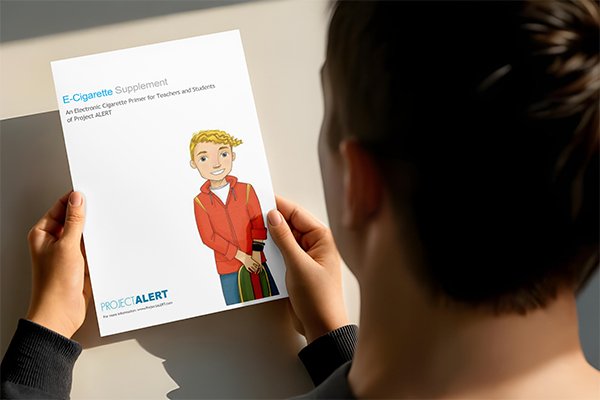
My objective was to lead the development of a brand new, multi-platform curriculum. This project wasn't just about updating information; it was about transforming a dated, passive learning experience into a highly interactive and memorable one for students in Grades 4-6. The core task involved designing a cohesive, gamified resource that would captivate students and support long-term information retention over a four-week period. The final product had to be a comprehensive package, including a compelling narrative, interactive games, a consistent visual design across all platforms, and a supplementary print component for classroom use. The ultimate objective was to change the learning experience from a static lecture into an engaging adventure that students would remember.
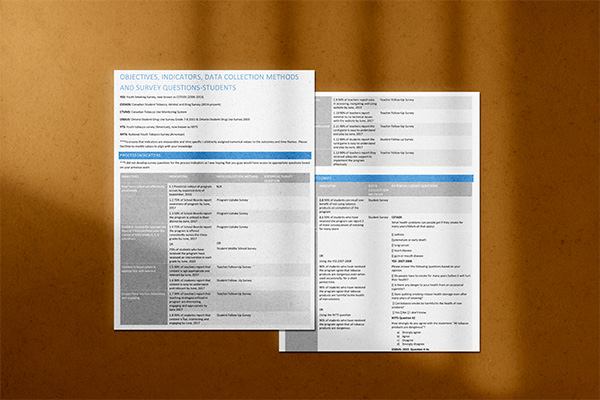
Designing for Engagement
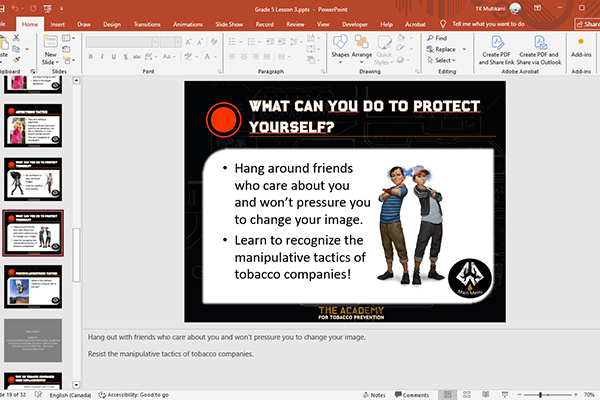
My role on this project was to take the pre-designed elements and develop them into interactive e-learning lessons. My process was a direct response to the need to make the content engaging and memorable for a grade 4-6 audience.

Measurable Impact & Success
The program achieved exceptional results that exceeded all expectations. With an average quiz score of 93% from over 200 students and more than 1,000 total game playthroughs, the interactive approach proved highly effective. The success of the gamified learning model demonstrates that interactive, game-based education could deliver both high retention rates and effectively change learner perspectives on critical health topics.
The program achieved an average quiz score of 93% from over 200 students. The interactive games were a key part of this success, logging over 1,000 total playthroughs.
Feedback from students showed that engaging with the gamified content was a significant deterrent to future tobacco use and helped them openly and confidently discuss these topics. The success of the gamified learning model demonstrates that interactive, game-based learning could not only deliver high retention rates for critical information but also effectively change learner perspectives.
The program received overwhelmingly positive feedback from educators, who noted the seamless teacher-led implementation and the ease with which it effectively kept students' attention. This led to a successful rollout and sustained use across dozens of classrooms.
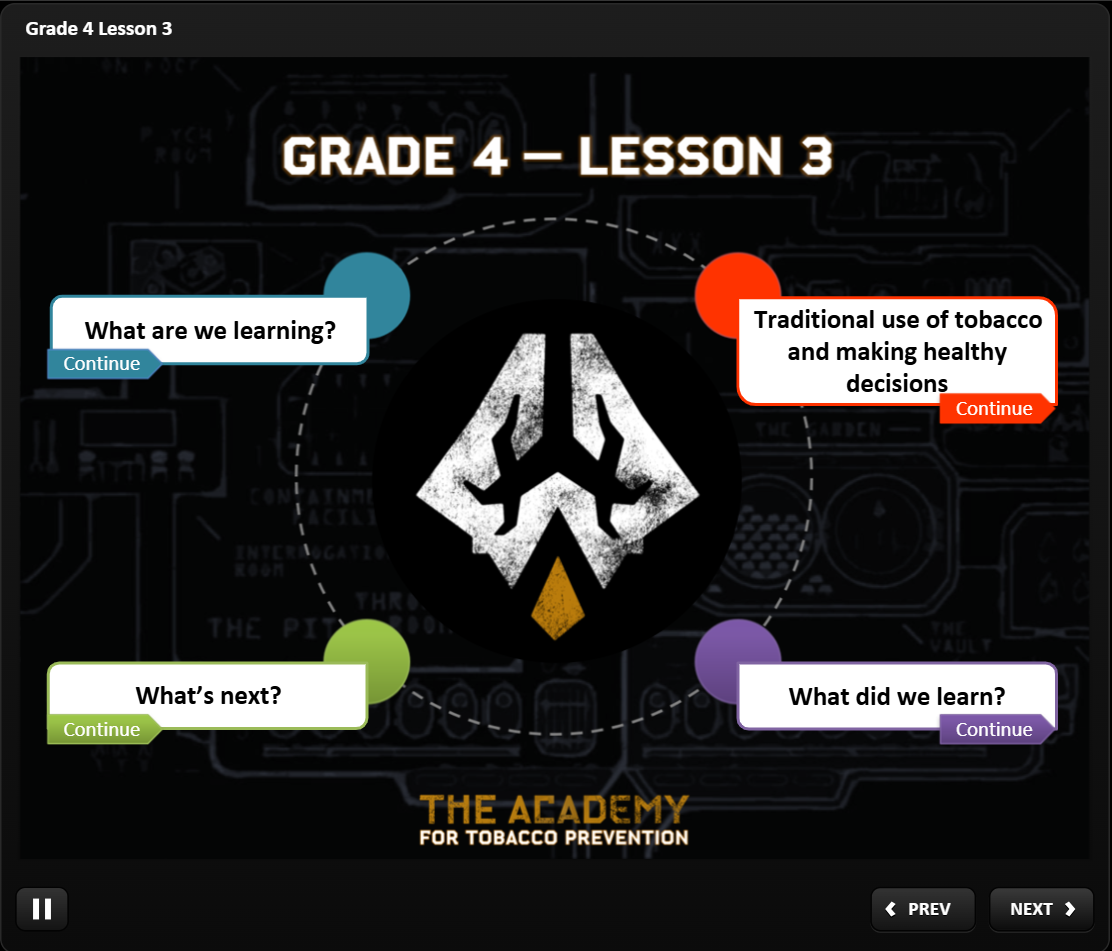
Grade 4 Lesson 3
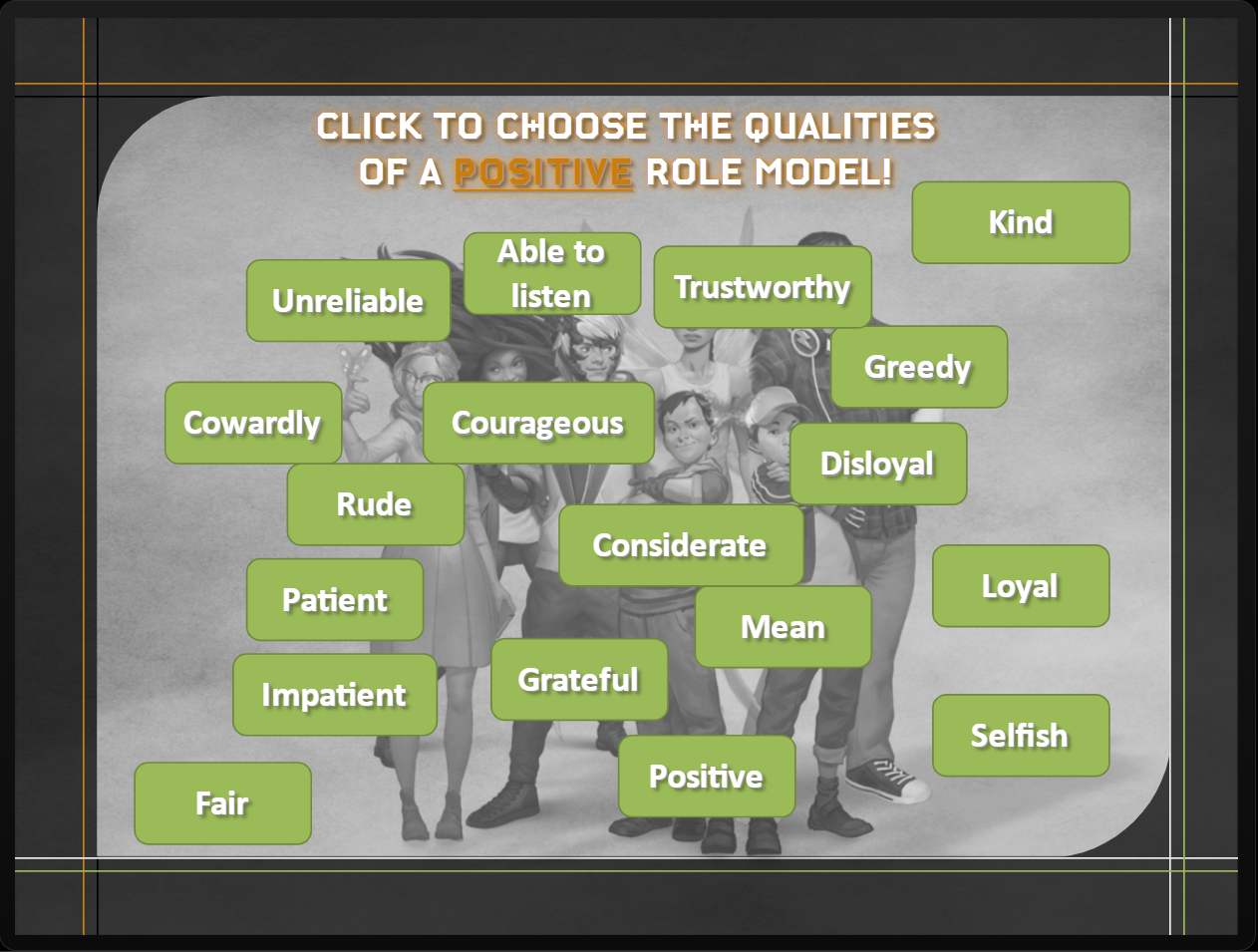
Role Models Game: Students identify positive influences and healthy decision-making skills.
Grade 5 Lesson 2
These interactive modules showcase the final eLearning experiences that drove student engagement throughout the program.
 BACK
BACK